Dry Needling Explained:
Benefits, Risks, and What to Expect
A clear, practical overview of how dry needling works, who it may help, and what a typical session looks like — so you can have an informed conversation with your provider.
What Is Dry Needling?
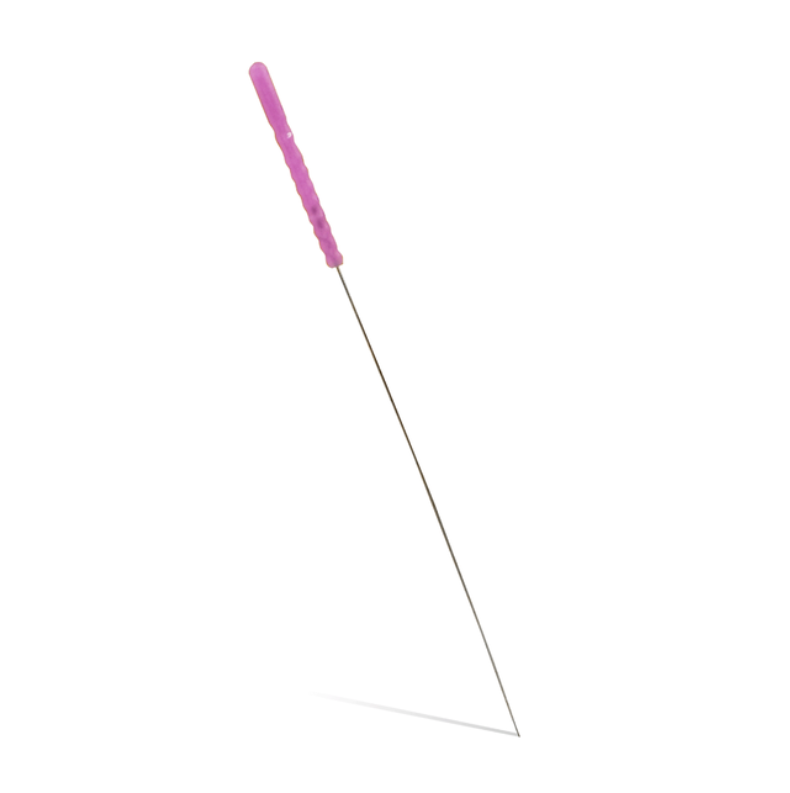
Dry needling involves inserting thin, solid filiform needles — the same type used in acupuncture — into the skin and underlying muscle tissue. The goal is to target trigger points: tight, sensitive knots within a muscle that can cause pain, restrict movement, or refer pain to other areas of the body.
The needle creates a small, localized response in the tissue. This is thought to:
- Interrupt the pain signals sent from the trigger point
- Trigger a local twitch response that helps release muscle tension
- Increase blood flow to the area, supporting the body's natural healing process
- Reduce inflammation and stimulate the release of the body's natural pain-relieving chemicals
Dry Needling vs. Acupuncture
These two techniques use similar tools but rest on different foundations.
Dry Needling
Grounded in Western anatomy and neurophysiology. Targets specific muscles, trigger points, and nerves identified through a physical exam.
Acupuncture
Rooted in Traditional Chinese Medicine. Focuses on restoring the flow of energy, or “qi,” along specific meridians.
Some practitioners are trained in both and may blend techniques depending on the patient and condition.
Conditions Dry Needling May Help With
- Neck and back pain
- Shoulder pain, including rotator cuff issues
- Tension headaches and migraines
- Tennis elbow and golfer's elbow
- Sciatica and piriformis syndrome
- Muscle tightness or spasm after injury
- Fibromyalgia-related muscle pain
- Sports-related muscle strains
Potential Benefits
- Pain relief. Many patients report reduced muscle pain and tenderness, sometimes within a few sessions.
- Improved range of motion. Releasing tight trigger points can help muscles move and stretch more freely.
- Faster recovery. Combined with exercise and manual therapy, it may speed up rehabilitation after injury.
- Reduced muscle tension and spasm. The local twitch response can help “reset” an overactive muscle.
- Complementary to other treatments. Often used to make stretching or strengthening exercises more effective by first reducing pain and tightness.
Risks and Side Effects
Dry needling is generally considered safe when performed by a properly trained and licensed practitioner, but it isn't risk-free.
Common, mild side effects:
- Temporary soreness or aching at the needle site (similar to post-workout soreness)
- Minor bruising or small bleeding spots
- Fatigue or lightheadedness after treatment
Less common risks:
- Fainting or a vasovagal response (more likely on a first treatment)
- Skin irritation or infection at the needle site
- Nerve irritation
- Pneumothorax (a collapsed lung) — rare, but a possible risk when needling near the chest, upper back, or shoulder region
Who Should Be Cautious or Avoid Dry Needling
- People who are pregnant (certain points are avoided)
- Individuals with a bleeding disorder or who are on blood thinners
- People with a compromised immune system
- Those with a needle phobia
- Anyone with an active infection, or needling near a cancerous lesion or lymphedema-affected limb
Always disclose your full medical history to your provider before treatment, including medications, allergies, and any implanted devices like pacemakers.
What to Expect During a Session
Before Treatment
Your practitioner evaluates your posture, movement patterns, and muscles to identify trigger points contributing to your pain, and explains the process.
During Treatment
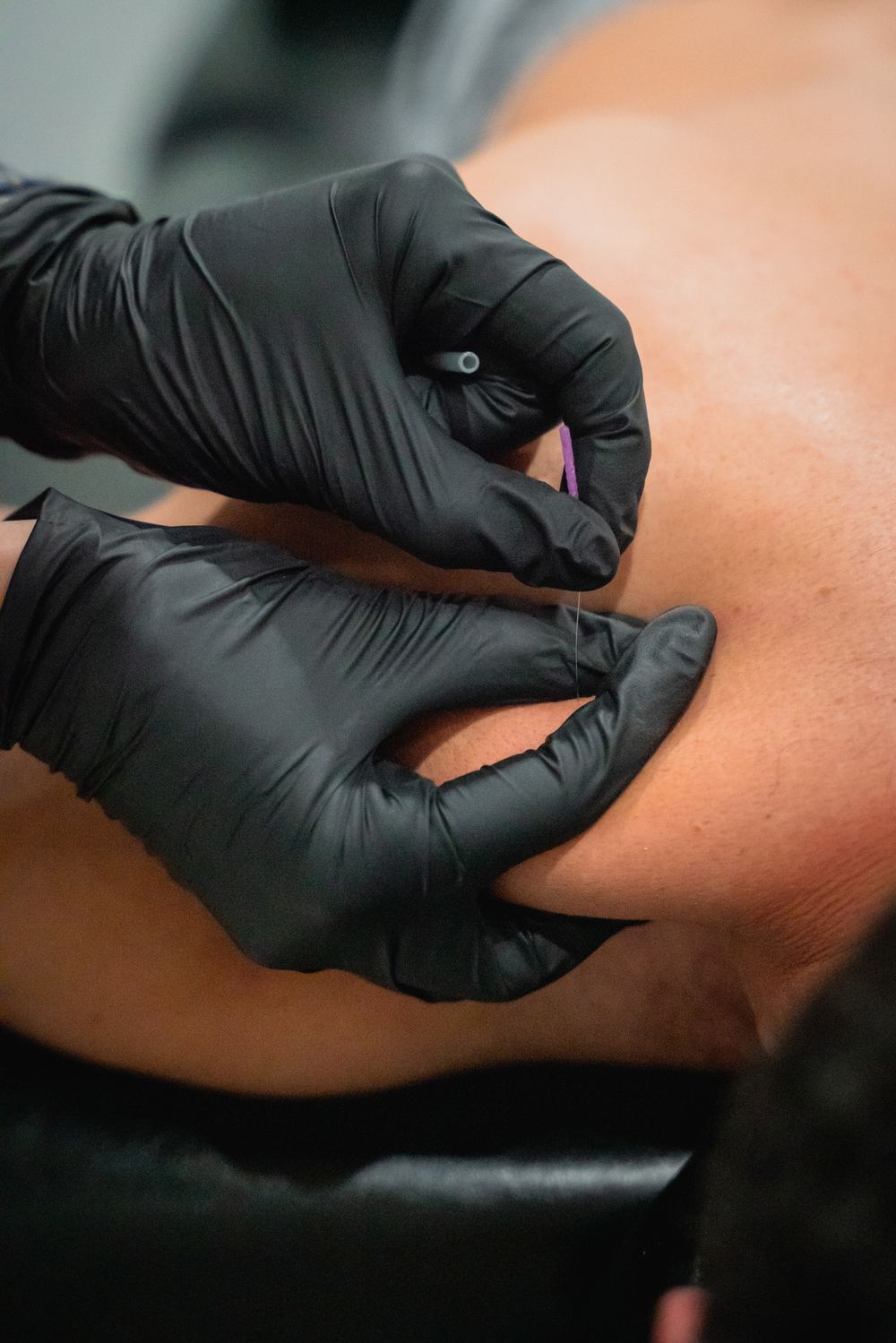
The skin is cleaned and a thin, sterile, single-use needle is inserted into the target muscle. You may feel a quick pinch, followed by a dull ache or a brief muscle twitch — often a sign the needle has reached the trigger point. Needles may stay in place from a few seconds to about 20 minutes.
After Treatment
Mild soreness, similar to a deep tissue massage, is common and usually resolves within 24 to 48 hours. Staying hydrated and gentle movement can help. Some people feel immediate relief; for others, benefits build gradually over several sessions.
A typical treatment plan may involve one to two sessions per week for several weeks, depending on the condition and how you respond.
Finding a Qualified Practitioner
Regulations vary by location, so check your local requirements. In general, look for:
- A licensed physical therapist, chiropractor, or physician with specific dry needling certification
- Clear willingness to explain their training and experience with your specific condition
- A clean, professional setting using sterile, single-use needles
The Bottom Line
Dry needling can be a useful tool for managing muscle pain, tightness, and certain movement limitations, especially when combined with a broader rehabilitation plan. Like any treatment, it carries some risk, and results vary from person to person. If you're curious whether it's right for you, the best next step is a conversation with a qualified healthcare provider who can assess your specific condition and history.
This article is for general informational purposes only and is not a substitute for professional medical advice, diagnosis, or treatment. Always consult a qualified healthcare provider before starting any new treatment.
Ready to find out if it's right for you?
Schedule a one-on-one evaluation with Dr. Meeks and get a personalized answer based on your specific condition and goals.
Book an Evaluation